GenerLink MA23-S
Quick answer
A 30-amp meter collar transfer switch that installs between the electric meter and its socket, letting a 240V portable under 8,500 running watts feed the house with no panel rewiring.
- Best for
- Panel-free hookup where your utility allows meter collars
- Skip it if
- Your utility does not permit customer meter collars
- Type
- Meter collar transfer switch (UL 1008M)
- Amp Rating
- 30A
- Max Generator Size
- Portables under 8,500 running watts
GenerLink MA23-S Specs
| Features | 30A meter-socket transfer switch, 75kA surge protection |
|---|---|
| Type | Meter collar transfer switch (UL 1008M) |
| Amp Rating | 30A |
| Voltage | 120/240V |
| Max Generator Size | Portables under 8,500 running watts |
| Connector | Generator inlet on the collar; generator needs a 240V four-prong outlet |
| Enclosure | Socket-mounted collar, 6.5 in diameter |
| Price band | Premium (relative to its category; check the live price) |
Specs from GenerLink's published spec sheet, manual and product listings. The GenerLink MA23-S has not been bench-tested by us: its score comes from the spec sheet, safety features, certifications and owner reports. How we score.
AMB Score: 84/100
The AMB Score weighs the spec sheet against the price band, safety features and what owners report over time.
Our Verdict
GenerLink is the transfer switch with no work inside your panel. It installs behind your electric meter, but only where your utility allows it, so check that before anything else.
How it works. The MA23-S is a collar that fits between the meter and the meter socket. You plug a 240V portable into its inlet, and when it senses generator power with the grid down, it disconnects the utility and feeds the house through the meter socket. It is listed to UL 1008M, the standard for meter-socket transfer switches. See transfer switch for how isolation prevents back-feed.
Sizing. The MA23 is the 30-amp model, for portables with running watts under 8,500, and the generator needs a 240V four-prong outlet such as an L14-30R. Because the whole panel is live, you manage loads by switching breakers off; use the wattage calculator to stay under your generator's rating. The S suffix adds 75kA-per-phase surge protection. The 40-amp MA24 suits generators under 10,000 running watts.
The catch is the utility. Acceptance varies. Some utilities, such as AEP Texas, have accepted GenerLink models, while others, such as PPL Electric, do not allow customer-owned meter collars at all. Where allowed, installation is usually done by the utility or an approved installer.
Owners report fast installs with no panel work; the common complaints are utility restrictions and managing loads by breaker. Compare panel-side options in our generator transfer switch guide.
Pros
- No rewiring inside the main panel
- Disconnects the utility automatically when generator power is present
- 75kA-per-phase surge protection on the S model
- UL 1008M listed
- Feeds the whole panel, so you choose loads by breaker
Cons
- Many utilities do not allow it
- 30-amp model limited to generators under 8,500 running watts
- Whole-panel feed means careful load management
Alternatives to the GenerLink MA23-S
Cheaper options
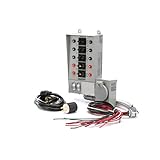 Reliance Controls 31410CRK90/100 · Upper mid-range
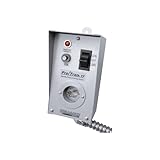 Reliance Controls TF151W87/100 · Budget
GenerLink MA23-S FAQ
Is GenerLink allowed by my utility?
It depends on the utility. Some, such as AEP Texas, have accepted the MA23 and MA24 models as meter collar devices; others, such as PPL Electric, do not permit customer-owned devices between the meter and meter base. Call your utility first. Where it is allowed, the utility or an approved installer usually does the install.
GenerLink MA23-S vs MA24-S: what is the difference?
Amperage. The MA23-S is the 30-amp model, for portables under 8,500 running watts. The MA24-S is the 40-amp model, for portables under 10,000 running watts. Both include 75kA-per-phase surge protection, shown by the S suffix, and both need a generator with a 240V four-prong outlet. Match the model to your generator.
Is the GenerLink MA23-S worth it?
A 30-amp meter collar transfer switch that installs between the electric meter and its socket, letting a 240V portable under 8,500 running watts feed the house with no panel rewiring. It scores 84/100 on our AMB Score, ranking #7 of the 9 transfer switches and inlets we track. It is best for panel-free hookup where your utility allows meter collars; skip it if your utility does not permit customer meter collars.